Q/A #164 - Saving a Dying Darlingtonia
- July 28, 2026
Quick Glance: One of the clearest warning signs of root rot in Darlingtonia is a pitcher that suddenly becomes soft, limp, and wilted while healthy pitchers remain firm. Act quickly: isolate the affected plant, remove it from the colony, cut away dead roots and tissue with sterilized tools, treat disease as appropriate, and repot the plant into fresh granular mineral mix. Keep the recovering plant isolated and in partial sun until it develops healthy new roots and pitchers.
How Can You Tell if a Darlingtonia Has Root Rot?
The symptom we watch for first is sudden wilting.
A healthy Darlingtonia pitcher is firm because water pressure inside its tissues keeps it upright. An old pitcher that is naturally dying may turn brown or develop spots while remaining relatively firm for some time.
A pitcher affected by severe root or stolon damage behaves differently. It loses pressure, becomes soft, and collapses even though much of the tissue is still green.
Other warning signs can include:
- Brown, dead, or deteriorating roots.
- Browning or dead tissue along a stolon.
- A new shoot that suddenly dies before developing.
- Several attached plants are beginning to wilt in sequence.
- A formerly vigorous plant is collapsing rapidly during warm weather.
Wilting can have multiple causes, so visual symptoms alone cannot identify a specific pathogen. But with Darlingtonia, unexplained wilting is serious enough that we recommend inspecting the plant immediately.
Grower's Key Point
Don't wait for the entire plant to collapse. A single green pitcher that suddenly loses firmness can be your first opportunity to catch root rot while part of the plant is still healthy enough to save.
Step 1: Isolate the Plant Immediately
If a Darlingtonia in a shared colony begins wilting, separate it from the healthy plants as soon as possible. Root-rotting organisms can move through contaminated growing media and shared water. Leaving a declining plant attached to a colony gives the problem more opportunity to spread.
If the affected plant is connected to another plant by a stolon, inspect the neighboring plant carefully. The infection may have already reached tissue beyond the visibly wilted growth.
Place removed plants in a separate work area and plan to keep them in an independent water tray throughout recovery.
Step 2: Use Clean Tools and Gloves
Before working with the plant, gather what you'll need:
- Disposable or washable protective gloves.
- Clean scissors or pruning shears.
- Rubbing alcohol for sterilizing cutting tools.
- Fresh granular Darlingtonia mix.
- Clean pots.
- A separate water tray.
- If appropriate, a systemic fungicide labeled for the intended ornamental-plant use.
Sterilize cutting tools before working on infected tissue and again before using them on healthy plants. Gloves are also useful for preventing contaminated growing material from being carried from one pot to another.
Step 3: Remove the Plant and Inspect the Roots and Stolons
Carefully work around the plant until you can see where it is rooted and whether it is attached to neighboring growth by a stolon. Don't simply pull upward. Darlingtonia can spread laterally beneath the surface, and healthy stolons or roots may extend farther than expected. Once the plant is free, look closely at the entire underground portion.
Keep:
- Firm, healthy roots.
- Firm stolon tissue.
- Healthy growing points.
- Firm green pitchers that remain well hydrated.
Remove:
- Completely dead roots.
- Soft or deteriorating stolon tissue.
- Dead shoots.
- Old dead foliage that interferes with inspection or planting.
When in doubt, be conservative with healthy tissue. The goal is to remove obvious dead material without unnecessarily reducing the plant's remaining ability to recover.
Step 4: What About Systemic Fungicide?
A systemic fungicide can be useful as an emergency treatment when a valuable plant is already showing signs consistent with root rot. Systemic products are absorbed into plant tissues rather than remaining solely on the surface, which is why we consider them for established infections.
Important
Systemic fungicide registrations and permitted uses vary by product and location. Always follow the current product label for application method, rate, protective equipment, environmental precautions, and disposal. The fungicide label takes precedence over general instructions in a video or article.
We consider fungicide triage, not routine Darlingtonia care. Repeated unnecessary fungicide use can select for resistant pathogen populations. For that reason, our long-term strategy is to reduce disease pressure through growing media, sanitation, colony size, and water management rather than continually treating healthy plants.
Step 5: Repot the Plant Into Fresh Granular Mix
For a plant actively recovering from suspected root rot, we prefer our granular mineral mix rather than returning it immediately to an organic medium. Our recipe is:
1 part vermiculite + 1 part perlite + 1 part Turface®
Moisten the ingredients thoroughly before potting. Make a hole large enough to position the remaining roots naturally. Keep the crown or rhizome near the surface rather than burying it deeply. Stolons that normally travel beneath the media can be lightly covered. After positioning the plant, add enough mix to cover exposed roots without packing the media tightly around them.
We use the granular mix during rescue because it contains no peat or other decomposing organic potting material and has produced our most consistent results when recovering affected plants.
Key Concept
The general principle of the mix is to provide a sterile and well-aerated environment for Darlingtonia's roots. Vermiculite alone will do that, but we include other ingredients for additional drainage and aeration. The drainage material simply needs to be inert. Pumice will work just as well as perlite and Turface. As long as you think in terms of "inert drainage material", you can create a granular mix best suited to your watering system.
Step 6: Remove Pitchers That Are Already Collapsing
A badly wilted pitcher is unlikely to regain normal function when its supporting tissues have already been severely compromised. Removing a collapsed pitcher can reduce the amount of leaf area the damaged root system must support while the plant recovers.
Don't remove every pitcher automatically. Healthy green pitchers that remain firm can continue photosynthesizing and supplying energy to the plant. The objective is to balance the plant's remaining leaf area with its greatly reduced root system.
Step 7: Keep the Recovering Plant Isolated
Place the newly potted plant in its own water tray rather than returning it immediately to the main collection. This serves two purposes:
- It prevents potentially contaminated drainage water from reaching other plants.
- It lets you watch the recovering plant closely without disturbing the rest of the colony.
Keep the media moist, but don't place the pot in an unnecessarily deep water level. Use clean water and avoid returning old growing medium, contaminated runoff, or tools to healthy containers.
Step 8: Give the Plant Partial Sun During Recovery
A healthy, established Darlingtonia grows very well in full sun. A plant that has just lost a substantial portion of its roots is different. Temporarily place the recovering plant where it receives partial sunlight rather than the intense full-sun exposure you would provide a vigorous, established plant.
With fewer functional roots, the plant also has less ability to replace water lost through its leaves. Reducing sunlight temporarily helps reduce that demand while new roots develop. Once the plant is producing firm new growth and has clearly reestablished its root system, gradually return it to normal full-sun conditions.
Recovery can take several months. A severely damaged plant may require most of a growing season or longer before it looks normal again.
Can a Darlingtonia Recover From Root Rot?
Yes, especially when the problem is caught early enough that healthy roots, stolon tissue, or a viable growing point remain. At our nursery, we've had meaningful success salvaging plants that would otherwise have continued declining. In the accompanying video, Jeff estimates that plants treated early can have a recovery rate of roughly 50% or better under our conditions.
That is an observation from our own growing experience rather than a guaranteed survival rate. A plant with extensive internal damage will naturally have a poorer prognosis than one treated after the first wilted pitcher appears.
The earlier you recognize the symptom, the more healthy tissue you may have left to work with.
Why Can Darlingtonia Get Root Rot Even in Live Sphagnum?
Live sphagnum helps create conditions that are less favorable to many pathogens, but it is not sterile, and it does not make a plant immune to disease. If enough contaminated soil, organic debris, or pathogen spores enter a pot, the disease pressure can eventually overwhelm the protection provided by the living moss. This is one reason sanitation still matters even when using our preferred growing media.
At the nursery, pots sit outdoors close to the ground. Soil can be splashed or blown into containers. Mowing can disturb nearby material. Birds and squirrels can also move seeds and soil into pots.
You cannot eliminate microorganisms from an outdoor nursery. The practical goal is to keep the disease pressure low enough that healthy plants and healthy media can resist infection.
How Can You Prevent Darlingtonia Root Rot?
Rescuing a diseased plant is much more difficult than preventing an outbreak. We therefore focus most of our attention on prevention.
1. Start With the Right Climate
Darlingtonia performs best where summer nights cool substantially, preferably into the 50s°F. Persistently warm nights place additional stress on a plant that is already naturally adapted to mountain conditions.
See our New 2026 Darlingtonia Care Guide for our climate recommendations.
2. Use Live Sphagnum or Granular Media
Our two preferred media are healthy live sphagnum moss and our mineral-based granular mix. Live sphagnum gives us excellent stolon production and has substantially reduced the disease problems we encountered with peat.
For maximum disease suppression, however, the granular mix has been our most dependable rescue medium. At the time this video was filmed, we had not observed root rot developing in plants established in that mix. That is a nursery observation, not a guarantee that infection is impossible.
3. Keep Colonies Small
This is one of the most important lessons we learned from losing our original mother colony. We once grew large numbers of Darlingtonia together in full-sized kiddie pools. It seemed efficient, but once disease entered the colony, shared media and water made it much easier for the problem to spread. We now use smaller pots and propagation trays. A large colony may look spectacular, but several smaller colonies create natural barriers against disease.
4. Separate Water Trays
Whenever practical, give individual pots or small groups their own trays. If one group develops root rot, contaminated water is less likely to reach the rest of the collection.
5. Periodically Empty and Flush the Trays
Don't continually add new water to the same standing water indefinitely. Every few weeks, empty the tray, thoroughly top-water the plants, and allow clean drainage to refill it. This helps remove accumulated contaminants rather than concentrating them over time.
6. Keep Dirt Out of the Pots
Soil particles, garden debris, dirty tools, animals, and splashing water can all introduce microorganisms into containers. You will never create a sterile outdoor environment, and that isn't necessary. Basic sanitation simply reduces unnecessary introductions.
7. Watch for Wilting Every Time You Water
Regular observation may be your best defense. When watering, look across the collection for a pitcher that appears unusually limp compared to its neighbors. Touch it if necessary. A healthy pitcher should feel firm. If a green pitcher has suddenly lost pressure, investigate immediately rather than waiting to see what happens.
Should You Use Fungicide Preventively on Darlingtonia?
We don't recommend routine fungicide applications to healthy plants as a substitute for good growing practices. Systemic fungicides are valuable tools when disease is already threatening a plant, but repeated use can encourage resistant pathogen populations and unnecessarily increases pesticide exposure.
Think of Fungicide as Triage: Our first line of defense is the correct climate, appropriate growing media, small colonies, separate water trays, sanitation, and early detection. Fungicide is reserved for situations in which we believe a plant genuinely needs treatment.
Frequently Asked Questions About Darlingtonia Root Rot
What is the first sign of root rot in Darlingtonia?
One of the first signs we watch for is a pitcher that suddenly becomes soft and wilted while neighboring healthy pitchers remain firm. Dead roots, browning stolons, and dying new shoots can provide additional evidence after the plant is removed from its pot.
Should I remove a wilting Darlingtonia from the colony?
Yes. When unexplained wilting appears, we prefer to isolate the plant immediately rather than leave a potentially diseased plant connected to healthy growth or sharing the same water.
Can Darlingtonia recover from root rot?
It can if enough healthy tissue remains. Early detection greatly improves your options because the plant may still possess viable roots, stolon tissue, or an undamaged growing point.
What should I repot a sick Darlingtonia into?
For rescue work, we use our granular mix of equal parts vermiculite, perlite, and Turface. It has produced our most consistent recovery results and keeps the plant out of decomposing organic potting media while new roots develop.
Can Darlingtonia get root rot in live sphagnum moss?
Yes. Live sphagnum can suppress some microbial activity, but it does not make a plant immune to infection. If the pathogen load becomes high enough, plants growing in healthy sphagnum can still develop root rot.
Should I use systemic fungicide all the time?
No. We reserve systemic fungicides for disease treatment rather than routine care. Prevention through appropriate media, sanitation, isolated water trays, small colonies, and early detection is our preferred long-term approach.
Does hot soil cause Darlingtonia root rot?
Hot weather can favor disease development, but we have not found that warm roots alone consistently kill healthy Darlingtonia. For the complete explanation, see Darlingtonia and the Cool Roots Myth.
Read the complete Darlingtonia series:
• Darlingtonia and the Cool Roots Myth
• New 2026 Darlingtonia Care Guide
• How to Grow Darlingtonia — Written Care Guide and PDF

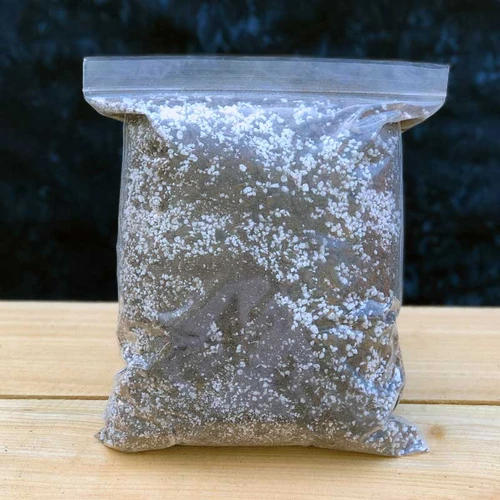
![Soil, Peat/Perlite Mix [Gallon Bag]](https://cdn11.bigcommerce.com/s-4kt71d4v98/images/stencil/500x500/products/120/2084/Soil-60__12201.1664306082.jpg?c=1 "Soil, Peat/Perlite Mix [Gallon Bag]")
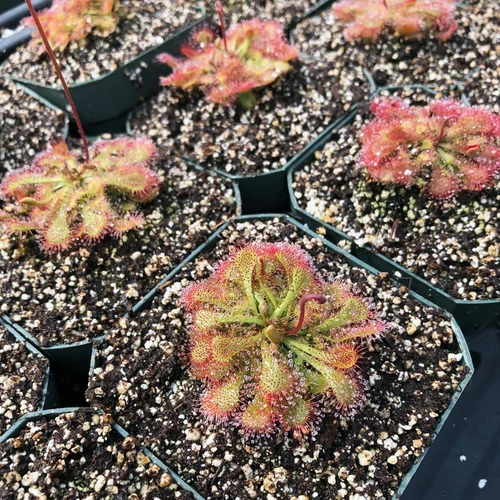



![Soil, Tropical Pitcher Plant Mix [Gallon Bag]](https://cdn11.bigcommerce.com/s-4kt71d4v98/images/stencil/500x500/products/121/3209/Soil-2__11156.1776819725.jpg?c=1 "Soil, Tropical Pitcher Plant Mix [Gallon Bag]")