Seasonal guidance is based on growing conditions at our nursery in Eagle Creek, Oregon.
October Care: Outdoor Perennials · Tropical Plants
How Should You Care for Outdoor Carnivorous Plants in October?
October brings cooler nights, possible frost, and the beginning of winter dormancy for many outdoor carnivorous plants.
Grower's Key Point
A brief overnight frost is normal for outdoor perennials. Venus flytraps, Sarracenia, and hardy sundews can remain outside. Cooler temperatures and shorter days help trigger dormancy, and the colors of late-season Sarracenia may intensify. Continue providing direct sunlight and water while the plants make this seasonal transition.
What Growth Is Normal This Month?
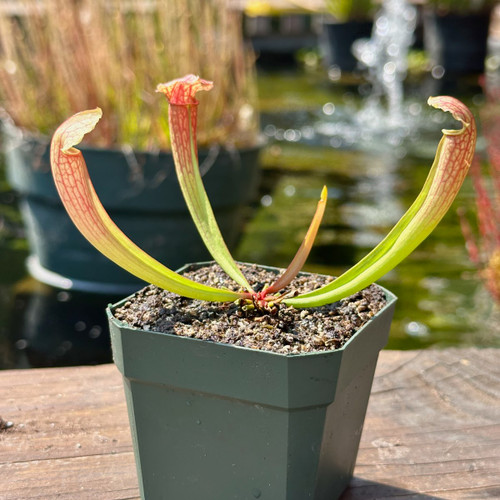
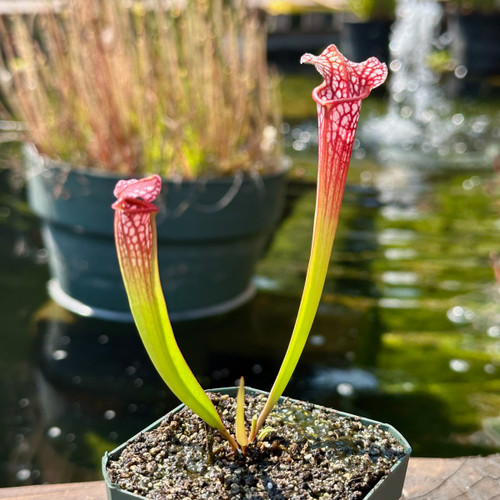
Sarracenia leucophylla, alata, the rubra complex, and their hybrids often produce their best pitchers as the weather cools. White pitchers become whiter, and dark colors become darker. On the flip side, flava, oreophila, and their hybrids produce more brown pitchers with crunchy tops because these early-season plants peaked in May and June. They may also produce non-carnivorous leaves called phyllodia. This is normal.
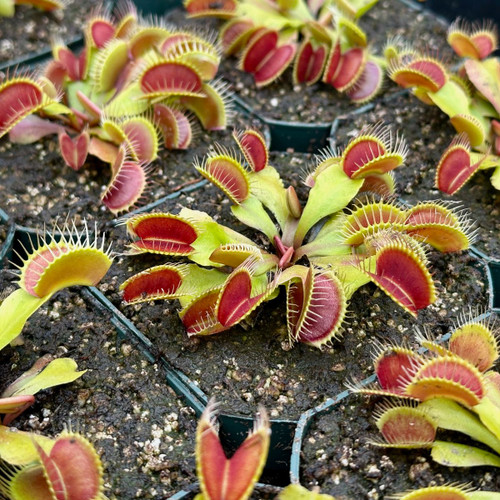
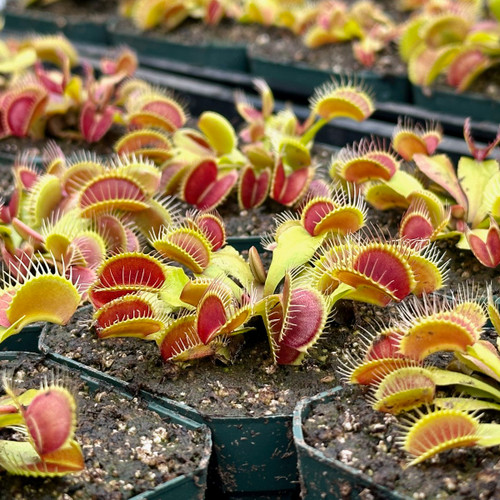
Venus flytraps begin replacing upright summer traps with shorter traps that sit closer to the soil. Hardy sundews gradually lose their leaves and form resting buds at the soil surface. Darlingtonia also slows down, but it typically keeps many of its pitchers through winter.
Do Sunlight or Water Requirements Change?
Continue giving your plants as much direct sunlight as possible. Although dormant plants use water more slowly, their soil should never dry out. At our nursery, these plants sit in water throughout the year. About one inch of water in the tray is enough, and wet soil also helps buffer the plants from sudden freezes. Continue filling the trays as needed.
Growers in southern regions may have a much longer growing season than growers in northern regions, making full sunlight especially important throughout October.
Do Outdoor Plants Need Protection From Frost?
A brief overnight frost is not the problem. The concern is a prolonged, severe freeze that can dehydrate the plants. If you live in USDA zone 6 or colder, use October to decide how you will protect them once winter arrives. You may also trim Sarracenia pitchers that are mostly brown and flopping over, but leave the healthier growth in place.
Need Help with Your Outdoor Perennials?
Review the appropriate care guide.
Sarracenia · Venus Flytraps · Hardy Sundews · Darlingtonia
If you still have a specific growing problem, submit your question through Ask the Growers.
Ask the Growers →
Ready to add an outdoor perennial to your collection?
How Should You Care for Tropical Carnivorous Plants in October?
Tropical carnivorous plants often enjoy October's more stable temperatures, but colder nights and shorter days require closer attention to placement.
Grower's Key Point
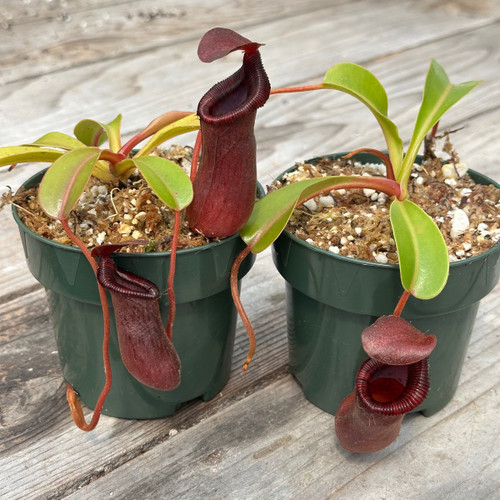
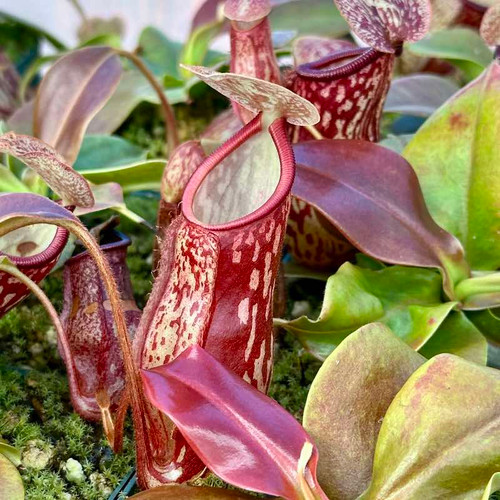
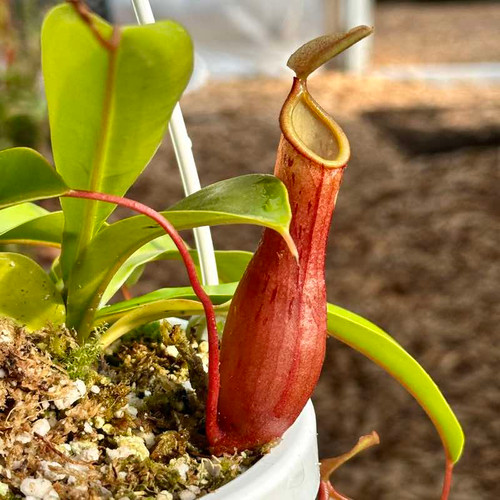
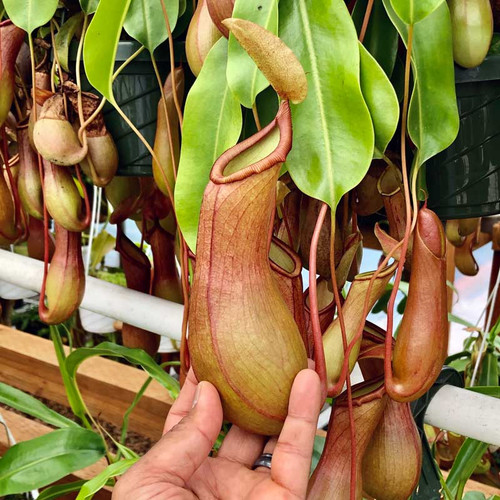
Move tropical plants indoors before temperatures become too cold. Nepenthes, Heliamphora, tropical sundews, and tropical butterworts need protection from frost. They appreciate daytime temperatures above 70°F and nighttime temperatures no lower than 55°F. If the forecast drops below those temperatures, bring the plants inside. If in doubt, move them indoors.
What Growth Is Normal This Month?
Tropical plants often respond well to the stable temperatures of fall. In our greenhouse, we remove the shade cloth in early October to keep the greenhouse warmer and brighter. We often see more dew, fresh growth, and better colors as a result.
Do Light or Water Requirements Change?
As the sun moves lower in the sky, move indoor plants to a sunnier window if necessary. A south-facing window usually provides more sunlight during the winter months. You can also supplement natural sunlight with LED lights to maintain proper light intensity.
Keep each plant's soil at the proper dampness. Water Nepenthes, Heliamphora, and tropical butterworts like regular houseplants: let the water drain through completely, then keep the soil slightly damp to the touch. Never allow it to dry out completely. Tropical sundews can remain in standing water to keep their soil wet.
When Should You Bring Tropical Plants Indoors?
If your tropical plants spent summer outdoors, monitor the forecast and bring them inside before daytime temperatures remain below 70°F or nights fall below 55°F. An unexpected frost can damage or kill tropical plants. Before moving them into your home, check and treat the plants for pests so you do not bring insects inside with them.
Need Help with Your Tropical Plants?
Review the appropriate care guide.
Tropical Sundews · Nepenthes · Heliamphora · Tropical Butterworts
If you still have a specific growing problem, submit your question through Ask the Growers.
Ask the Growers →