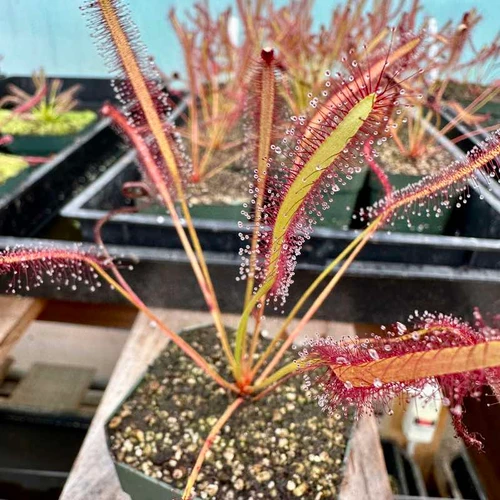
Growing Sarracenia and Flytraps in the Desert Southwest
- March 10, 2023
Hello, I’m Jason Herritz. I’m one of the growers here at Sarracenia Northwest. Now before joining the crew here as the shipping manager, I lived in Phoenix, Arizona where I grew and propagated carnivorous plants, such as the Sarracenia, the Venus flytrap, and even hardy sundews. Many folks said it couldn’t be done because of the high heat, intense sunlight, and low to NO humidity! So, in this video, I’d like to share with you what I did to successfully grow carnivorous plants in the desert SW.
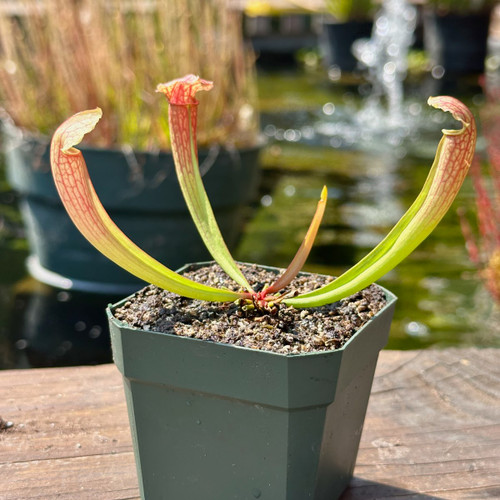
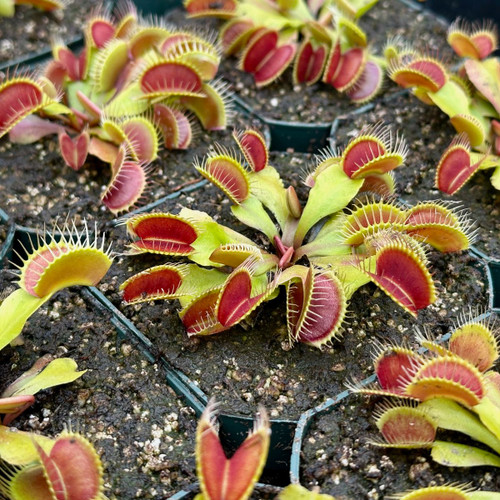
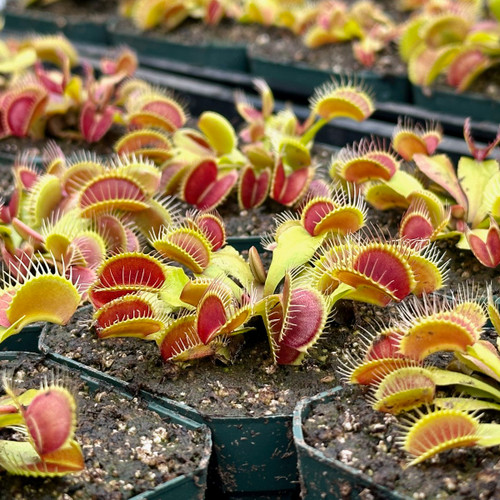
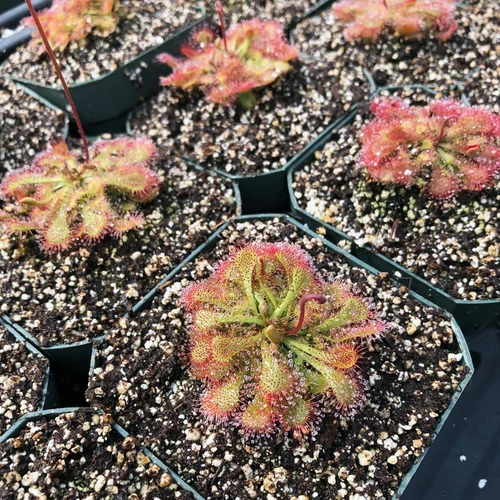
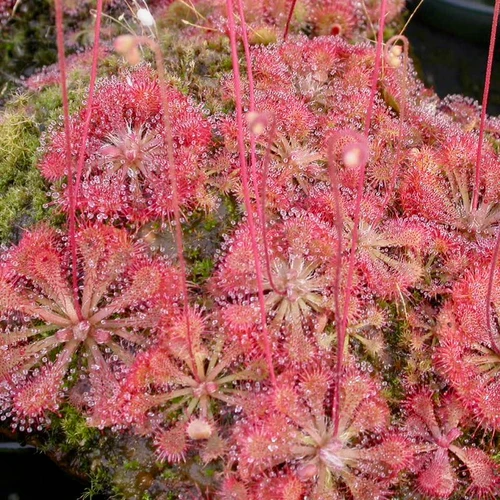
I first got into growing these plants in 2009. Within the first few years, I found out which plants grew well in Phoenix and which ones didn’t. The Sarracenia that grew best for me were flava, leucophylla, purpurea venosa, rosea, minor and even alata. Hybrids of these plants also grew fantastically and really showed off their hybrid vigor. For sundews, I found that Drosera tracyi, intermedia and some hybrids, such as Dreamsicle, tolerated the heat well. Another plant that did well was the Venus flytrap. I tried out a number of varieties, such as the King Henry, G16, DCXL, and even the B52 just to name a few, and nearly all of them did well.
Now, I did encounter plants that struggled in the desert heat. These included most oreophila hybrids, Drosera rotundifolia, Drosera anglica, the Red Dragon flytrap, and Darlingtonia. These plants just didn’t grow well even after giving them time to acclimate to the desert environment.
So, now you know which plants to get, the next important thing is timing. You want to give your plants time to adjust to the heat, intense sunlight, and low humidity. In Phoenix it can easily be 100° as early as April. So, if you get your plants in the late spring or in the summer you’re going to shock them. Therefore, the best time I’d recommend getting your plants is mid-September through March. April is still possible, but May through August is going to be a bit rough for your new plants.
When you get your new plants, the first thing you’ll want to do is change the soil to a coarser mix. A coarser mix will dry out quicker, but we’re going to use that to our advantage. The mix I used was 40% peat moss to 60% perlite, or 2 parts peat to 3 parts perlite. Most nurseries use a 50/50 mix, which is ok, but I always repotted my plants to a 40/60 mixture. This coarser mix will increase soil evaporation and help prevent your plants’ roots from overheating.
The size of pot you’ll select is also important to prevent the soil from overheating. Small pots will overheat quickly in the sun. So, what I did was use large pots that were at least six inches or even bigger. Terracotta can also be useful because it allows water evaporation through the sides which will help keep the soil cool. I also used large bins as water trays to shield the pots from sunlight, and I used light colored pots whenever possible.
Now, if you live in the desert, you probably already know that your water is very high in minerals. At first, I just used distilled water, however, as my collection grew, I invested in a reverse-osmosis system. So, you might want to consider one for yourself as your collection grows.
When I watered my plants, I always kept the water level low, just a couple inches from the bottom of the pot. Remember, we’re using a coarser soil mix and we’re relying on evaporation to help keep the soil cool. If the water level is too high, we won’t get that cooling effect. I also cooled down my plants by top-watering them when temperatures were getting above 105° for extended periods. So, on those really hot days, I watered my plants in the early morning and the late evening, and my plants responded well to that.
Besides protecting my plants from the heat, I also had to protect them from the intense sunlight. But how do you do that when these plants need full sun? Well, in the early growing season from about March to May, I placed my plants in direct sunlight, positioning them to get as much morning sun as possible. As I got into June and the days were getting hotter, that’s when the shade cloth needed to go up!
When my collection was small, I constructed a makeshift structure to shade the plants from about 11 am through the rest of the afternoon. At first, I tried 50% percent shade cloth and the results were not good. The new growth was floppy and had little to no color. I ended up using 30 to 40% instead, and the results where much better. As my collection grew, I used a greenhouse frame to support a shade cloth with reflective material and 30% shade. I had it up from about early June through mid-September.
So the idea of the shade cloth is to just take the edge off while still providing strong sunlight. So, when choosing a shade cloth, I recommend going with a lightly colored or a reflective material, and use either 30% or 40% shade.
Finally, what about humidity? Well, what about it? In the 10 years of growing Sarracenia and flytraps in Phoenix, I’ve never had a problem with low humidity, and if you’d like more information about the myths of high humidity, read Jacob’s download, the Ultimate Carnivorous Plant Guide for Beginners. He has a fantastic section about humidity, and of course, he used my plants as examples.
So, to recap, when growing the outdoor carnivorous plants in a desert environment: Select plants suited for the heat. For Sarracenia, choose alata, flava, leucophylla, minor, purpurea venosa, rosea, and hybrids of these species. For sundews, tracyi and intermedia are good species to start with. And of course, almost all flytraps will grow fine. Use a coarse mix of 2 parts peat moss and 3 parts perlite. The extra perlite will aid in water evaporation to cool the soil.
Use large pots, 6 inches or larger, to buffer the heat. Keep the water level in your trays low, no more than two inches. Top water daily during those long stretches of hot days. During the hottest parts of the day, shelter your plants with 30-40% shade cloth.
So, if you live in the desert, I hope this will get you started in trying your hand at growing carnivorous plants. If you liked this video, please remember to like and subscribe for more videos just like this. And check out growcarnivorousplants.com to see our inventory of cold-hardy and tropical carnivorous plants, growing supplies and more. Thank you for watching and Good Growing!
• The original question and response have been edited for publication.
• To submit a carnivorous plant question, visit Ask the Growers


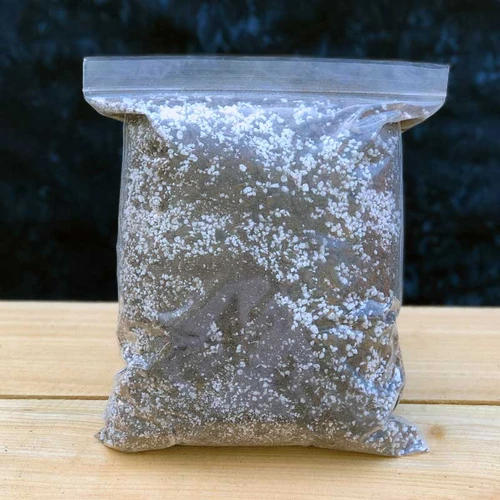
![Soil, Peat/Perlite Mix [Gallon Bag]](https://cdn11.bigcommerce.com/s-4kt71d4v98/images/stencil/500x500/products/120/2084/Soil-60__12201.1664306082.jpg?c=1 "Soil, Peat/Perlite Mix [Gallon Bag]")



![Soil, Tropical Pitcher Plant Mix [Gallon Bag]](https://cdn11.bigcommerce.com/s-4kt71d4v98/images/stencil/500x500/products/121/3209/Soil-2__11156.1776819725.jpg?c=1 "Soil, Tropical Pitcher Plant Mix [Gallon Bag]")