Q/A #162 - Troubleshooting a Pitcherless Nepenthes: 6 Things to Check
- May 20, 2026
Quick Glance: When a Nepenthes is growing leaves but not producing pitchers, the first things to check are light, temperature, and exposure to heating or air-conditioning drafts. If those conditions are appropriate, then look at root health, recent environmental changes, and whether a mature vining plant has support for its tendrils. Inadequate light is the most common cause we see.
Why Is My Nepenthes Not Producing Pitchers?
A Nepenthes can continue growing leaves even when conditions are not favorable for pitcher development. That is why a plant may look reasonably healthy while producing few or no pitchers.
When growers ask us for help with a pitcherless Nepenthes, we work through six factors: light, temperature, air drafts, root health, acclimation, and tendril support. The first three are the most common problems we encounter, so we always check those before investigating less common causes.
Grower's Key Point
When someone asks us why their Nepenthes isn't producing pitchers, we check light, temperature, and drafts first. Only after those conditions are appropriate do we investigate root health, acclimation, and tendril support.
Start Here: Check These Three Things First
| What You Notice | What We Check First | What to Do |
|---|---|---|
| Large, dark green leaves with few or no pitchers | Inadequate light | Increase light gradually. For most common Nepenthes, we recommend about 4–6 hours of direct sunlight with bright indirect light during the rest of the day, or suitable supplemental lighting. |
| Slow growth, older leaves yellowing, little pitcher development | Temperatures may be too cool | Check daytime and nighttime temperatures and compare them with the recommendations for your plant. |
| Developing tendrils repeatedly stop growing or blacken | Heat stress or direct hot/cold drafts | Move the plant away from heating and air-conditioning vents and check for excessive heat at the window. |
1. Is Your Nepenthes Getting Enough Light?
Inadequate light is the most common reason we see for a Nepenthes growing leaves but not pitchers.
Pitchers are complex leaf structures with lids, peristomes, wings, nectar glands, and digestive glands. Producing them requires energy, and that energy ultimately comes from photosynthesis.
When light is inadequate, a Nepenthes may continue producing leaves while putting little energy into pitcher development. One common sign is unusually large, dark green leaves. The plant is producing more chlorophyll and leaf area to capture the limited light available.
By contrast, a well-lit plant often has brighter green foliage, sometimes with bronze or reddish pigmentation depending on the variety.
How Much Light Do We Recommend?
For the commonly grown Nepenthes discussed here, we recommend approximately 4 to 6 hours of direct sunlight each day, with bright indirect light during the rest of the daylight hours.
If your plant does not receive enough natural light, supplemental lighting can help. A basic cool-white LED shoplight can be effective when positioned appropriately. See our guide to LED lighting for tropical plants for more information.
When inadequate light is the primary problem, growers often see new pitcher development within roughly 4 to 8 weeks after improving the plant's lighting, although individual plants vary.
2. Are the Temperatures Suitable?
Temperature affects plant metabolism, so a Nepenthes growing too cool or too hot may slow or stop pitcher development.
For many commonly cultivated varieties, we recommend daytime temperatures above about 70°F (21°C), with many plants growing particularly well in the upper 70s to low 80s. A moderate nighttime drop is beneficial for many varieties.
When temperatures are too cool, growth slows. Older leaves may yellow as the plant prioritizes newer growth. Excessive heat can also be a problem because developing tendrils at the ends of the leaves are delicate and can be damaged before a pitcher forms.
Use these temperatures as practical growing guidelines rather than rigid biological cutoffs. Different species and hybrids can tolerate different ranges.
3. Is Your Nepenthes Near a Heating or AC Vent?
Nepenthes benefit from air movement, but they generally do not respond well to a continuous stream of hot or cold air from a household vent.
Direct drafts can create abrupt changes in temperature and moisture loss around the leaves and developing tendrils. If your plant sits beside a furnace vent, heater, air conditioner, or strong fan, move it to a more sheltered location and observe the next several leaves.
We check lighting, temperature, and drafts before moving on because correcting less common issues will have limited effect if one of these basic environmental problems is still present.
4. Are the Roots Healthy?
If the first three factors are appropriate, the next thing we consider is root health. A Nepenthes needs healthy roots to absorb enough water to maintain leaves, photosynthesize efficiently, and support new pitcher growth.
Use the Right Potting Mix
We recommend a low-nutrient, airy medium consisting of approximately equal parts long-fiber sphagnum moss and perlite. Small pumice can be used in place of perlite.
Avoid ordinary potting soil, garden soil, compost, and other nutrient-rich mixes. We also do not recommend using pure sphagnum moss for long-term culture because it can compact as it ages. Compacted media stays wet longer and reduces air space around the roots.
We generally avoid orchid bark in our standard mix because it decomposes over time and can contribute to compaction as it breaks down.
Avoid Waterlogged Media
Nepenthes prefer moist media, but they should not normally sit continuously in a tray of standing water. Water from the top and allow the excess to drain completely.
Water again when the upper portion of the medium begins to lose moisture. Top watering also helps flush accumulated minerals through the pot.
If the medium remains saturated for long periods, root health can decline. One warning sign is several older leaves yellowing unusually quickly.
Check for a Rootbound Plant
A plant that has grown well for several years and then begins drying out unusually quickly, producing smaller new leaves, or losing older leaves may be rootbound.
Gently remove the pot and inspect the root mass. A dense layer of roots encircling the medium can interfere with even water distribution through the pot. In that case, move the plant into a larger container.
Minimize Root Disturbance When Repotting
Nepenthes generally respond best when their root mass is disturbed as little as possible. When we repot established plants, we usually keep the existing root ball intact, move it into a larger container, and fill the surrounding space with fresh medium.
We do not recommend pruning so-called "excess roots." Significant root disturbance can temporarily stop pitcher development while the plant repairs damaged roots, and severe disturbance can seriously weaken a large plant.
For complete instructions, see the repotting section of our Nepenthes Care Guide.
5. Does Your Nepenthes Need Time to Acclimate?
If the plant otherwise appears healthy, consider whether something changed recently.
Was the plant just purchased? Was it shipped? Did you repot it? Did you move it to another room or window?
Nepenthes generally grow best under stable conditions. A recently moved plant may need time to adjust before it resumes normal pitcher production.
How long acclimation takes varies considerably. A healthy, fully potted plant may resume growth quickly, while a bare-root plant or one that experienced significant root disturbance can require much longer.
Many common Nepenthes produce a new leaf every few weeks under favorable conditions, but some varieties grow considerably more slowly. Patience matters.
Don't Chase the Sun
We sometimes see growers move a plant from an east-facing window in the morning to a west-facing window later in the day to maximize sunlight. We don't recommend this.
Plants are stationary organisms. Repeatedly changing their position also changes light angle, temperature, airflow, and other environmental conditions. It increases the time required for acclimation and creates more opportunities to damage delicate tendrils.
Choose one appropriate growing location and leave the plant there. If that location does not provide enough light, supplement it with artificial lighting rather than moving the plant repeatedly.
6. Does a Vining Nepenthes Need Support?
This is the most variable factor on our list, so we consider it only after the other conditions have been addressed.
As Nepenthes mature, many transition from a compact rosette into a climbing vine. The spaces between leaves become longer, and tendrils naturally search for branches or other objects they can wrap around for support.
For some vining Nepenthes, tendril contact may encourage pitcher development. We've observed mature plants resume or improve pitcher formation when their tendrils encounter stakes, basket hangers, neighboring plants, netting, or similar supports.
Because this response varies among plants, we don't consider lack of tendril contact a primary diagnosis. First make sure light, temperature, drafts, root health, and acclimation are appropriate.
If you do provide support, allow the tendrils to find it naturally. Don't manually wrap or unwrap them; developing tendrils are easily damaged.
What About Humidity?
You'll notice that humidity isn't one of the first six things we check when troubleshooting a pitcherless Nepenthes.
For most commonly available Nepenthes, constant high humidity is not the primary driver of pitcher production. Plants can acclimate to normal fluctuations in household humidity when their lighting, temperatures, watering, and root health are appropriate.
That does not mean humidity has no effect. Higher humidity can influence leaf and pitcher size. But when a plant is growing leaves without pitchers, we first look for more common and more consequential problems.
For a deeper explanation about humidity, read:
• Do Nepenthes Need High Humidity? The Humidity Myth, Part 1
• Do Nepenthes Need a Humidity Dome? The Humidity Myth, Part 2
Frequently Asked Questions About Pitcherless Nepenthes
Why is my Nepenthes growing leaves but no pitchers?
The most common cause we see is inadequate light. Also check temperature, direct heating or air-conditioning drafts, root health, recent environmental changes, and—in mature vining plants—whether the tendrils have access to support.
How do I get my Nepenthes to grow pitchers again?
Start by confirming that the plant receives adequate light and suitable temperatures and is not exposed to a continuous hot or cold draft. If those conditions are correct, inspect the root zone and consider whether the plant was recently moved, shipped, or repotted. Make one correction at a time and allow the plant time to respond.
How long does it take a Nepenthes to make pitchers after conditions improve?
When inadequate light or temperature is the main problem, growers often see pitcher development on new growth within about 4 to 8 weeks after conditions improve. Plants recovering from shipping, root disturbance, or other stress may take longer.
Does a Nepenthes need high humidity to make pitchers?
Most commonly available Nepenthes do not require constant high humidity to produce pitchers. Appropriate light, temperatures, watering, and healthy roots are more important troubleshooting priorities.
Should I cut off old brown Nepenthes pitchers?
Once a pitcher has completely browned and died, you can remove it for appearance by cutting the dead pitcher away with clean scissors. Removing a dead pitcher does not cause the plant to produce a new one; new pitchers develop from new leaves when growing conditions are appropriate.
OUR APPROACH
Since starting our nursery in 1995, we've taught growers to raise commonly available Nepenthes on bright windowsills, just like a regular houseplant. Thousands of our customers have successfully grown them without humidifiers, misters, or humidity domes. For complete growing recommendations, visit our Nepenthes Care Guide.
• The original question and response have been edited for publication.
• To submit a carnivorous plant question, visit Ask the Growers.

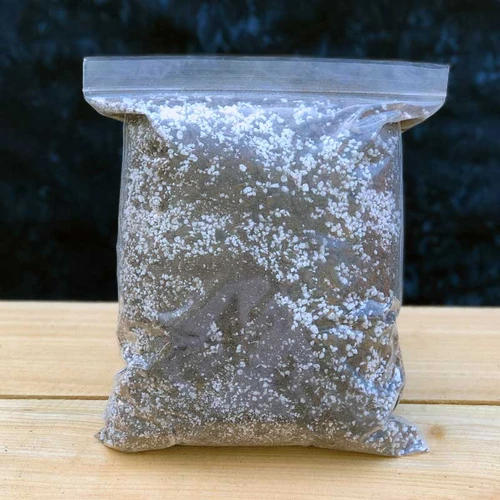
![Soil, Peat/Perlite Mix [Gallon Bag]](https://cdn11.bigcommerce.com/s-4kt71d4v98/images/stencil/500x500/products/120/2084/Soil-60__12201.1664306082.jpg?c=1 "Soil, Peat/Perlite Mix [Gallon Bag]")
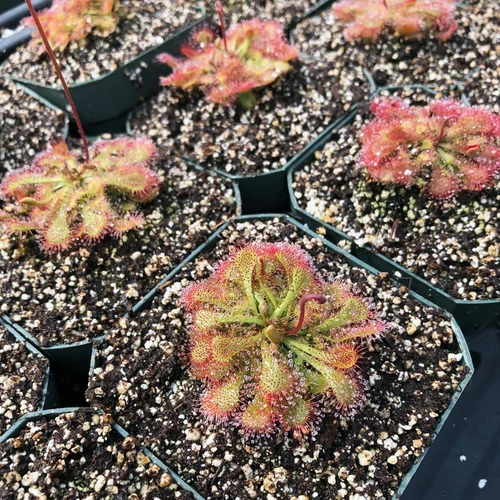



![Soil, Tropical Pitcher Plant Mix [Gallon Bag]](https://cdn11.bigcommerce.com/s-4kt71d4v98/images/stencil/500x500/products/121/3209/Soil-2__11156.1776819725.jpg?c=1 "Soil, Tropical Pitcher Plant Mix [Gallon Bag]")