5 Common Growing Mistakes with Venus Flytraps
- July 1, 2023
Quick Glance: The single most common reason Venus flytraps die is insufficient sunlight. They require full, direct outdoor sun, not ambient indoor light from windowsills. Additionally, they are outdoor perennials native to the Carolinas, require a cold winter dormancy, must be grown in nutrient-poor peat and perlite soil, and need pure water with less than 50 ppm of dissolved minerals.
Quick Diagnostic Table
| The Mistake | Why It Kills the Plant | The Solution |
|---|---|---|
| 1. Treating it like a tropical plant | Skipping winter dormancy exhausts the plant, causing eventual death. | Grow it outdoors year-round as a perennial; it easily handles frost, ice, and snow. |
| 2. Using standard potting soil | Nutrients and fertilizers burn the roots, killing the plant in 2–4 weeks. | Use a low-nutrient, acidic mix of equal parts peat moss and perlite. |
| 3. Relying on tap water myths | Boiling or letting water sit does not remove minerals; high mineral levels burn the roots over time. | Use water under 50 ppm (distilled, rainwater, RO water, or AC/dehumidifier water). |
| 4. Obsessing over feeding bugs | Treating the plant like an animal; bugs are only fertilizer, not an energy source. | Let the plant catch its own bugs outdoors. Focus on light, not feeding. |
| 5. Providing insufficient sunlight | The most common killer. Without direct sunlight, the plant cannot fuel its traps or survive winter. | Provide 6 or more hours of direct outdoor sun. The rule of thumb: If you can grow tomatoes there, you can grow flytraps. |
Mistake #1: Growing Venus Flytraps Like Tropical Plants
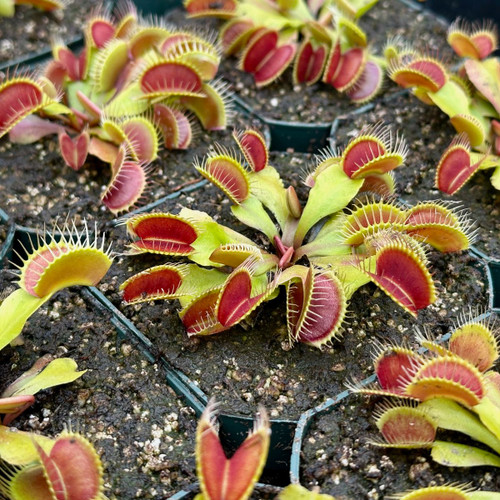
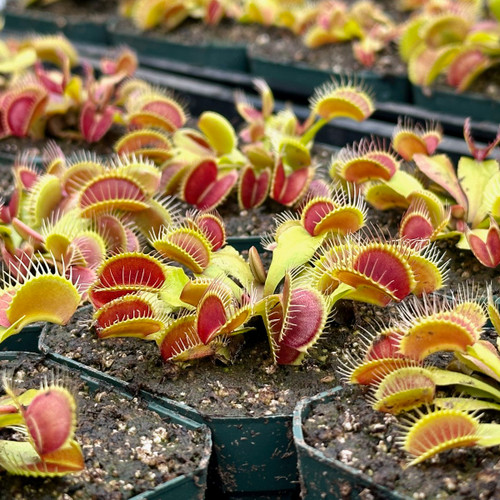
Because Venus flytraps look exotic and predatory, many growers mistakenly believe they originate in the hot, steamy jungles of Brazil or Indonesia. In reality, the Venus flytrap is a hardy perennial, native exclusively to the coastal plains around Wilmington, North Carolina.
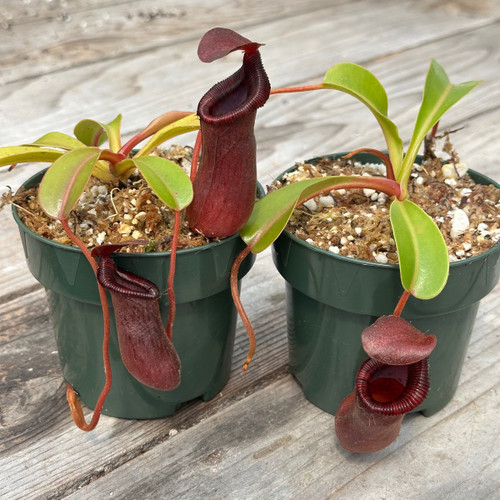
- Tropical Plants vs. Perennials: Tropical plants (like Nepenthes) thrive in regions that never experience frost. Venus flytraps, however, experience a massive spectrum of seasonal changes in the wild, including freezing winter weather and sweltering summer heat.
- The Necessity of Dormancy: Flytraps require a winter rest period triggered by shorter days and dropping temperatures. They hunker down through winter frost, ice, and snow, storing up energy to reemerge vibrant and strong every spring. Keep your flytrap outdoors year-round!
Mistake #2: Using Garden Soil
Venus flytraps have evolved to grow in highly specific, acidic, and nutrient-deficient soils. A common, fatal mistake is potting them in standard garden soil or commercial potting soil.
Even if a bag of potting soil claims it has "no added fertilizer," the natural composition of organic garden soils contains far too many mineral nutrients for a flytrap's delicate root system. Planting a flytrap in standard soil will almost always result in death within 2 to 4 weeks.
What type of soil should you use for Venus flytraps?
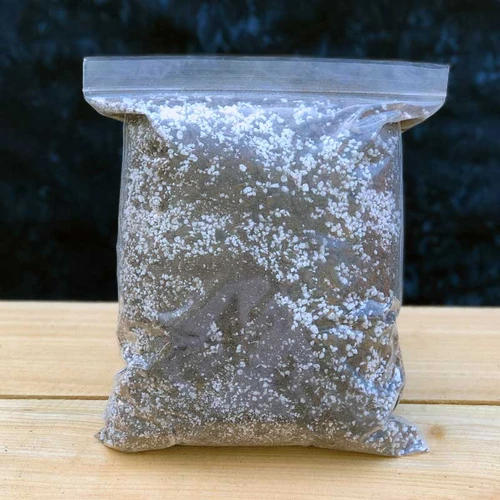
Always plant your flytraps in a mix of equal parts peat moss and perlite. Peat moss provides the necessary acidity without nutrients, while perlite provides essential root aeration and drainage.
Mistake #3: Not Testing Your Water
While many enthusiasts know that carnivorous plants require pure water, a dangerous misconception persists that letting tap water sit out for a few days, or boiling it, will make it safe. This simply is false.
- The Science: Dissolved minerals do not evaporate. Letting water sit or boiling it only evaporates the water itself, actually concentrating the minerals.
- The 50 PPM Rule: Use a Total Dissolved Solutes (TDS) meter to check your water. Water with fewer than 50 parts per million (ppm) of dissolved minerals is safe. High mineral levels (100–600 ppm) will slowly build up in the soil, burning the roots over a few weeks to a year.
- Safe Water Sources: Use distilled water, reverse osmosis (RO) water, rainwater, or condensation collected from a dehumidifier or air conditioner. Note: Standard carbon filters like Brita or Pur do not remove minerals.
Can I use tap water for my Venus flytrap?
Test your water. Some cities, such as Portland and Seattle, have mineral levels below 50 ppm. In these cities, it's safe to use the water straight from the tap, without any filtration.
Will chloramine harm Venus flytraps?
Not necessarily. In general, if your tap water is pure enough, the chloramine levels won't harm your Venus flytrap or any other plants.
Mistake #4: Relying on Insects
Obsessing over feeding a Venus flytrap is a significant distraction from proper care. Flytraps are plants, not animals; they do not rely on bugs for day-to-day survival or energy.
In the plant world, insects act strictly as a source of foliar fertilizer, providing essential macronutrients like nitrogen, phosphorus, and potassium. Instead of absorbing these elements through their roots, flytraps absorb them through their modified leaves. When grown outdoors, your plant will easily catch all the insects it needs on its own. Feeding them manually is fine for entertainment, but it is not critical for their survival.
Mistake #5: Insufficient Sunlight
If bugs don't give a flytrap energy, what does? Sunlight! It's the number one factor for survival.
Through photosynthesis, Venus flytraps convert carbon dioxide and sunlight into vital sugars. The physiological processes of snapping a trap shut, sealing it, secreting digestive enzymes, and reopening requires an immense amount of metabolic energy.
- The Tomato Rule: As a basic benchmark, if a location receives enough full, direct sun to successfully grow garden tomatoes, it is bright enough to grow Venus flytraps.
- The Indoor Window Failure: Ambient, indoor windowsill lighting is almost never sufficient. Without direct outdoor sun during the summer growing season, a flytrap cannot manufacture enough sugar to survive its winter dormancy period. The plant uses summer sunlight to secure its long-term health.
How much sunlight do Venus flytraps need?
Flytraps need 6 or more hours of direct, outdoor sun.
• The original question and response have been edited for publication.
• To submit a carnivorous plant question, visit Ask the Growers


![Soil, Peat/Perlite Mix [Gallon Bag]](https://cdn11.bigcommerce.com/s-4kt71d4v98/images/stencil/500x500/products/120/2084/Soil-60__12201.1664306082.jpg?c=1 "Soil, Peat/Perlite Mix [Gallon Bag]")



![Soil, Tropical Pitcher Plant Mix [Gallon Bag]](https://cdn11.bigcommerce.com/s-4kt71d4v98/images/stencil/500x500/products/121/3209/Soil-2__11156.1776819725.jpg?c=1 "Soil, Tropical Pitcher Plant Mix [Gallon Bag]")