Q/A # 158 - An Unexpected Cause of Deformed Nepenthes Pitchers
- February 16, 2025
Jacob here with Sarracenia Northwest. Since 2005, we have answered thousands of questions from carnivorous plant growers. Here’s a question from the archives, submitted to us in December 2018.
“I purchased a Nepenthes truncata from you at a reptile show about 10 years ago. The last two pitchers that have grown on it have not been typical... They are growing into a bulb shape with a very narrow opening at the top... It’s been at least eight years since transplanted it… This plant has thrived in this location for many years until a few months ago when it grew one of the inefficient pitchers. Thinking it was a fluke, I let it go. Then a second one did it. And now, the third one is growing like that, too. There is also a new little baby one starting. I'd like to figure this out before it too is affected. Can you help me with this?”
In her photo, I can see a deformed pitcher. There are also some pitchers that have already turned brown. She also provided additional information and mentioned that the pitcher on the far left was normal before it started turning brown, but the pitchers immediately on the left and the right of the newest pitcher were deformed and the upper portions of those pitchers died quickly.
Nepenthes truncata is known for its large leaves and pitchers. A mature plant can be 3-5 feet across, and pitchers can grow up to 12 inches. It’s a very tough plant and acclimates well to most homes as a regular houseplant.
My initial thought about the grower’s plant was that it was infested with thrips, a common plant pest. Thrip damage looks very similar, but we would also see damage to the new growth. From the grower’s message, there was no damage to the new growth.
When I zoom in on her photo, I can also see that the new growth looks very normal. It’s appearance is similar to new growth on our plants. So, I can at least rule out thrips for now.
Reading over her question, something else caught my attention. She said that the plant was transplanted into the new pot 8 years ago. The grower lives in the Portland area, and Portland is fortunate enough to have relatively pure water straight from the tap. Portland water is about 20 ppm in total dissolved solutes. As long as the water is less than 50 ppm, it’s safe to use on carnivorous plants.
However, over time, minerals can still build up, especially when the water isn't allowed to drain through completely. The type of pot the grower is using is designed to catch excess water. However, it’s not allowing water to drain out. It’s kind of acting like a reservoir. So, after 8 years, it is possible enough minerals accumulated in the media to affect the plant, and symptoms of deformed pitchers that die off quickly are consistent with mineral buildup.
When minerals buildup to significant levels, it will affect pitchers as they develop. In this case, the minerals were being deposited on the tendril tips, causing pitchers to deform as they develop. The excess minerals will also cause tissue to die off, which is why her pitchers were not lasting as long as before.
In addition, the new growth is also smaller than normal. Once a leaf opens up, it will remain that size and not get any larger. So, a smaller new leaf might also be a sign that the roots are affected by mineral accumulation. If the roots are damaged, they won’t absorb enough water, causing new growth to be much smaller.
So, based on the deformed pitchers, smaller new growth, and the fact that the plant has been in the same media for 8 years, this plant is suffering from excess mineral build up.
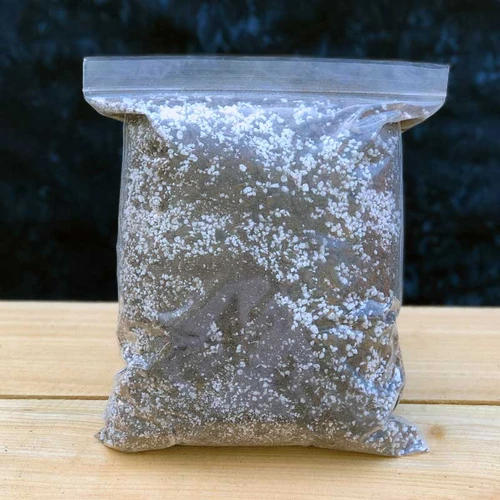
The only remedy for this is to repot the plant into fresh media, a mix of equal parts sphagnum moss and perlite. She should also scrub out the pot to remove any mineral deposits. Once the plant is potted up, she should also flush the media periodically, water from the top and allow the water to flush through. This will reduce the chances of future mineral buildup.
If you’re looking for Nepenthes to add to your collection, check out our inventory at Growcarnivorousplants.com. Our inventory changes monthly and seasonally, and much of the Nepenthes we grow are suitable to grow as houseplants. We also have lots of growing information to get you on the right track, such as the Volume 3 playlist. This playlist is all about tropical pitcher plants. Thank you so much for watching. I look forward to seeing you in another video.
• The original question and response have been edited for publication.
• Click on a hashtag below or use the site's search function to view similar topics.
• To submit a carnivorous plant question, visit Ask the Growers.


![Soil, Peat/Perlite Mix [Gallon Bag]](https://cdn11.bigcommerce.com/s-4kt71d4v98/images/stencil/500x500/products/120/2084/Soil-60__12201.1664306082.jpg?c=1 "Soil, Peat/Perlite Mix [Gallon Bag]")